

Facts about fibre
- NganHong Tan
- Jan 21, 2019
- 3 min read
Updated: Jan 23, 2019
Fibre is essential for maintaining a healthy digestive system.
Dietary fibre, which is obtained solely from foods of plant origin, plays a vital role in the digestive process. There are two types of dietary fibre: soluble fibre, which can dissolve in water; and insoluble fibre, which does not have the ability to dissolve in water.


You will found out mostly #Fibre #Foods are #Colourful
Soluble Fibre
The inclusion of soluble fibre in the diet slows the breakdown of complex carbohydrates, such as strach, into simple sugars, such as glucose, thereby slowing the absorption of sugar and possibly leading to reduced levels of sugar in the blood. During digestion, soluble fibre forms a gel-like mass that binds cholesterol to the stool; if eaten in sufficient quantities, soluble fibre can also help reduce the levels of cholesterol in your blood. Good sources of soluble fibre include whole grains such as oats, barley, and rye, fruits, vegetable, and pulses.


#Oat not only rich in #Fibre, it also provide #Slow #Burn #Carbohydrate
Insoluble Fibre
This type of fibre occurs naturally in brown rice, wholemeal bread, whole-grain cereals, seeds, pulses, and in the skins of vegetables and fruits. It will not dissolve in water and is not digested or absorbed by the body. Including insoluble fibre in your daily diet will help keep the gastrointestinal tract clean and promote regular bowel movements. It does this by drawing water into the stools, making them larger and softer, and easier to pass.


#Granola also one of our #Favourite #Morning #Breakfast and #Snack
The Benefits of Fibre
Foods that are high in dietary fibre often take longer to eat, and they increase the feeling of fullness after a meal because they slow down the passage of food through the intestine. This improves the body's blood-sugar response because fibre slows the rate at which glucose os released from food. This, in turn, slows the rise of blood-sugar levels so that less insulin is released into the bloodstream. In addition, because fibre-rich foods increase the feeling of fullness, they can help with weight control.


Fighting disease
By promoting bowel regularity and keeping the gastrointestinal tract clean, inclusion of insoluble fibre in the diet may also reduce the risk of developing conditions such as diverticular disease and constipation.
Studies have also shown that a high-fibre diet helps prevent diabetes and, as a result of activity of gut flora, reduces the risk of developing colorectal cancer. This cancer is rare in countries where the traditional diet consists mainly of cereals, fruits, and vegetables.


How Much Fibre do I Need?
According to the latest government guidelines, your total fibre intake should be 18g per day, depending on your age and gender. Most adults, get less than 12g of fibre each day. In order to ensure an adequate intake of both soluble and insoluble fibre, you should include a wide variety of fruits, vegetables, and whole grains in your daily diet.

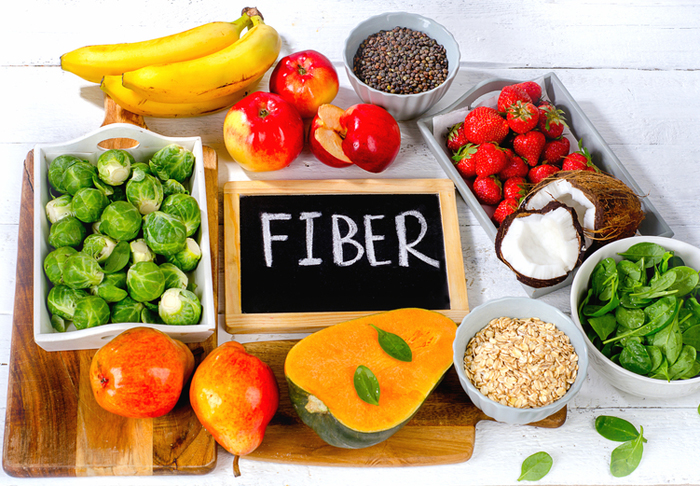
Increasing Fibre Intake
If you plan to increase your fibre intake, do so gradually to give your system time to adjust. As you increase your intake, drink plenty of water to balance that absorbed by the fibre. The tips below can help you meet the recommended intake:
Eat more vegetables, either raw or steamed. Cruciferous vegetables such as cabbage and broccoli are particularly high in fibre
Eat more fruit with skin and seeds, such as apples, pears,and berries.
Choose high-fibre breakfast cereals, cold or hot.
Add rolled oats or canned beans to casseroles, or use rolled oats for crumble toppings and stuffings.
Eat whole-grain products, such as wholemeal bread, brown rice, and biscuits made from wholemeal glour rather than white flour.
Add wheargerm or oats to pancakes, meatballs, or burgers.
Use cereal in place of nuts or in place of flour when making biscuits.


Hey, Did you Know?
Lets Talk About Gut Flora (as know as product Vitamin K inside our body).
The bacteria in the large intestine, which are referred to as gut flora, can break down some of the chemical bonds in fibre that are resistant to the digestive enzymes. People who eat plenty of fibre have healthy colons teeming with millions of these bacteria.
Researchers have suggested that the action of gut flora on fibre creates an acidic environment in the colon that decreases the risk of developing colorectal cancer, which is currently the second most common cause of cancer death in the UK.


Comments